
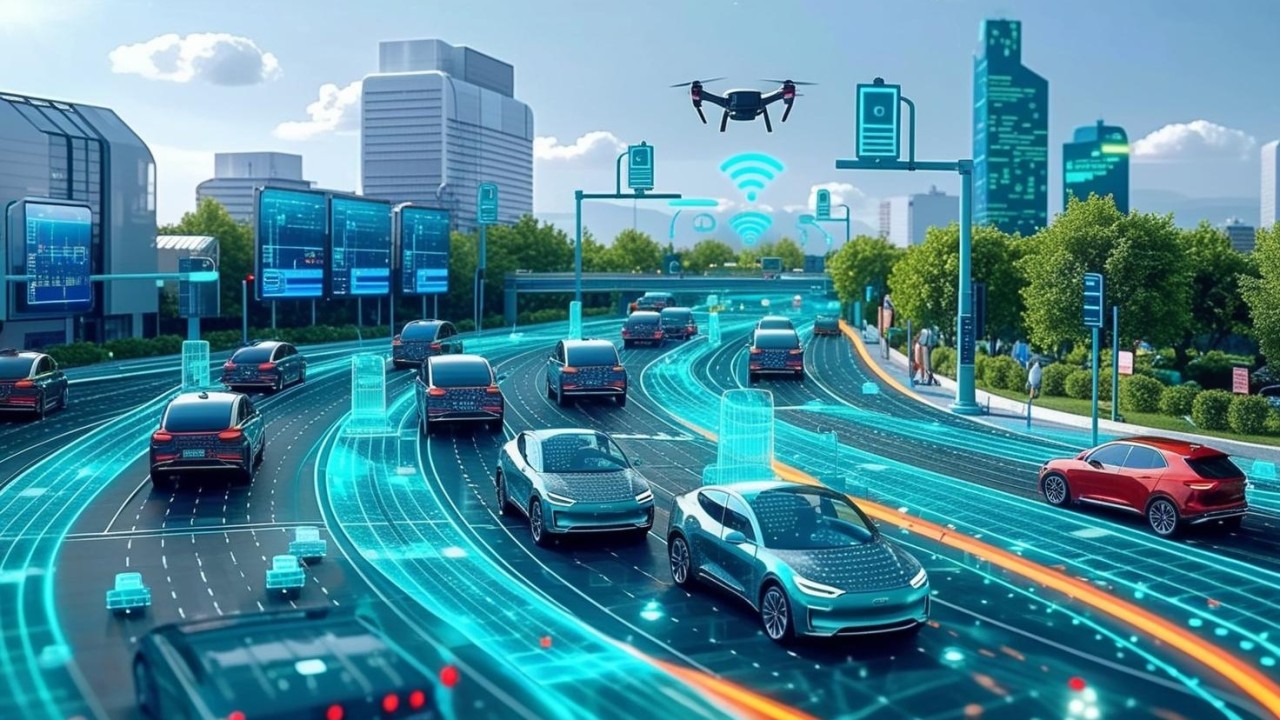
“How Modern Cities Are Solving Traffic Problems with Technology & Innovation”
In 2025, urban traffic is one of the biggest challenges facing modern societies. From lost productivity to rising air pollution, traffic congestion costs both time and money. But countries like the United States and the United Kingdom are no longer just expanding roads — they’re using technology, data, and smart infrastructure to transform traffic management into an intelligent system.
This article explores how both nations are tackling the problem and how these innovations are shaping the future of mobility.
🇺🇸 United States: Leading with AI & Big Data
🚦 1. AI-Controlled Smart Traffic Signals
Cities such as Los Angeles, San Diego, and Seattle have adopted AI-powered traffic lights. These systems respond in real-time to traffic flow, adjusting signal times dynamically.
✅ Benefits:
- Up to 25% less congestion
- Shorter travel times
- Lower emissions and fuel use
📱 2. Live Traffic Apps + Predictive Routing
Apps like Waze, Google Maps, and HERE Technologies now use machine learning to predict traffic congestion even before it builds.
- Users receive smarter alternate routes
- Systems consider accidents, events, and weather
✅ Time saved: 10–30 minutes per trip
🚴♂️ 3. Micro-Mobility and Urban Shuttles
American cities are integrating bikes, e-scooters, and mini-shuttles into public transit networks.
- Shared e-bikes connect to metro and bus stops
- Dedicated lanes are being built for safe riding
✅ Result: Less car dependency, more active travel
🧠 4. Smart City Infrastructure
Through initiatives like Smart Columbus and NYC Connected, the US is investing in:
- Vehicle-to-Infrastructure (V2I) communication
- AI-based accident prediction
- Electric vehicle (EV) support systems
✅ These systems create real-time traffic flow maps and auto-respond to road issues.
🇬🇧 United Kingdom: Greener, Safer & Digitally Integrated
🚌 1. Integrated Public Transport Systems
UK cities like London, Manchester, and Leeds have implemented systems that integrate:
- Trains, buses, trams, taxis — all in one app
- Real-time updates and live tracking
- Mobile e-ticketing and route planning
✅ Result: Faster, more reliable journeys with less waiting
🧠 2. AI Traffic Monitoring & Enforcement
The UK uses AI with CCTV and ANPR (Automatic Number Plate Recognition) to detect:
- Speeding, wrong turns, signal violations
- Illegal parking and high-traffic zones
✅ Outcome: More law enforcement with less human effort
🚙 3. Congestion Zones & Eco Incentives
London has expanded its ULEZ (Ultra Low Emission Zone) and Congestion Charge Zone.
- High-polluting vehicles pay a daily fee
- Electric/hybrid vehicles get discounts and tax breaks
✅ Result: 30% reduction in central city traffic
📲 4. Mobility-as-a-Service (MaaS)
The UK is piloting MaaS platforms where users can:
- Plan, book, and pay for an entire journey — across trains, buses, taxis, bikes — in a single app
✅ Goal: One app for all travel modes, reducing the need for private cars
📊 Impact & Benefits (HCL Value)
| Feature | USA Benefit | UK Benefit |
|---|---|---|
| AI Traffic Lights | Faster signals, less idling | Starting pilot programs |
| Predictive Apps | Saves hours weekly | Used for rail and bus scheduling |
| Public Transport Integration | Regional success in some cities | National-level implementation |
| Green Zones / Eco Tax | Local-only, EV expansion | Strong national policy |
| Smart City Data | Real-time traffic dashboards | Used for enforcement + planning |
🎯 Why This Content Matters to You:
✅ For Bloggers & Content Creators
Use this article to make educational TikToks, blog posts, or videos. It’s trending, high-value, and globally relevant.
✅ For Affiliate Marketers
Promote smart gadgets (dash cams, GPS systems, e-scooters, EV chargers) with traffic-related content. Add product links and earn.
✅ For Students or Presenters
This article provides clean, credible information with real-world examples. Perfect for school or university projects.
✅ For Local Developers or Tech Enthusiasts
If you’re in tech or policy, this shows how smart systems = real-world results.
🔚 Final Words:
The USA and UK are proving that the future of transportation isn’t just faster — it’s smarter, cleaner, and user-focused. By combining AI, real-time data, public transport, and sustainable policies, both countries are building the next generation of cities.
🚧 The next traffic revolution has already begun. Are you ready?