
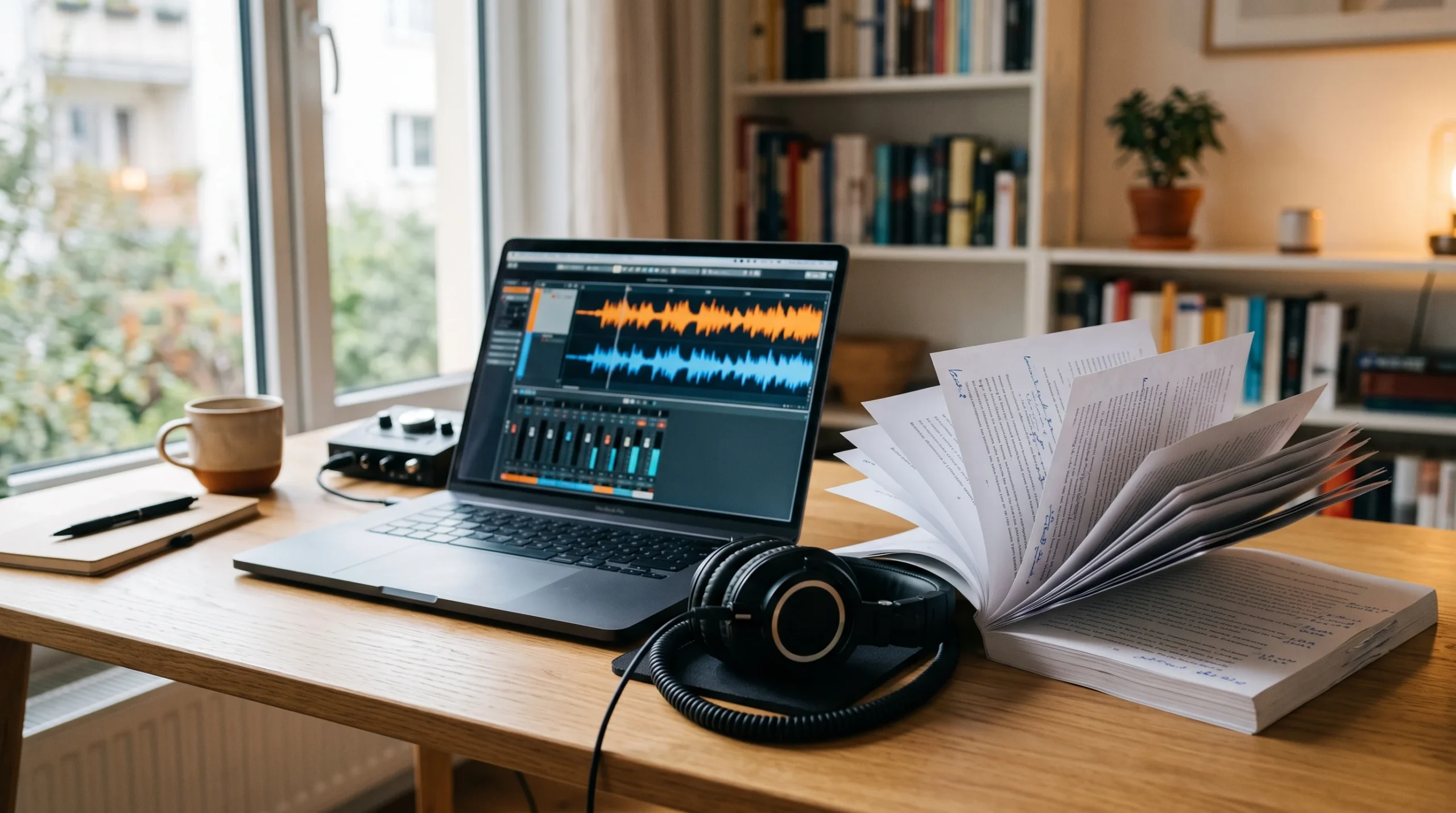
Audiobooks used to need a studio, a trained narrator, and weeks of editing before a single title reached Audible. That barrier has quietly collapsed. AI voice cloning tools can now turn a finished manuscript into a polished, multi-hour narration in a fraction of the time, and major distributors have finally published clear rules for how AI narration fits into their platforms.
If you have been searching for AI audiobook narration make money 2026, you are probably one of two people: a self-published author wondering whether AI narration is even allowed, or a freelancer who sees an opportunity to offer audiobook production as a paid service. This guide answers both questions directly, without the vague “it depends” answers that dominate most articles on this topic.
Can You Actually Get Paid to Narrate Audiobooks With AI in 2026?
Yes, and there are two distinct ways to earn from it. You can produce and sell audiobook rights for your own titles, or you can offer AI-assisted narration as a paid service to other authors who don’t want to learn the tools themselves.
The income isn’t passive in the way some marketers suggest. Producing a clean, listener-ready audiobook still takes editing, proofreading against the source text, and quality control. What has changed is that you no longer need a recording booth, a trained voice, or a professional narrator’s day rate to get there. That shift is what has opened this niche to people with no audio background at all.
Readers who have followed Make Money with Voice AI: Free ElevenLabs & Murf.ai Guide for Beginners 2026 already understand the basics of text-to-speech tools. Audiobook narration is a natural next step: a longer-form, higher-value application of the same underlying technology, aimed squarely at the self-publishing market.
Does ACX Allow AI Audiobook Narration? The Real 2026 Policy
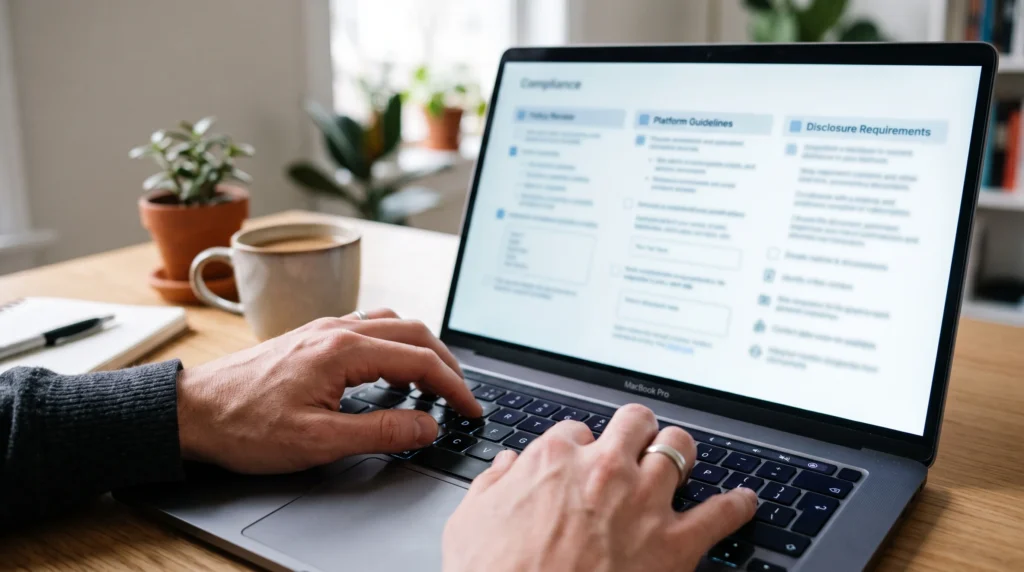
The short answer: yes, with disclosure requirements and specific delivery standards, not a blanket ban.
For years, ACX (Audiobook Creation Exchange, Amazon’s audiobook production and distribution platform) left AI narration in a gray area. That ambiguity is gone. Amazon now operates a sanctioned AI narration pathway tied to its Virtual Voice technology for certain Kindle and Audible titles, and it requires authors to disclose when a book uses synthetic narration rather than a human performer.
A few practical points matter more than the headline policy:
- Disclosure is not optional. Platforms expect you to label AI-narrated titles accurately, both in the metadata and, in many cases, in the audiobook description.
- Audio quality standards still apply. ACX has long-standing technical requirements around noise floor, peak levels, and file format, and AI-generated audio must meet the same bar as human-recorded audio.
- Rights and licensing matter more, not less. If you’re cloning a voice, whether your own or a licensed synthetic voice, you need clear rights to use it commercially. Never clone a real narrator’s voice without explicit permission.
- Policies shift. Because this is an active, evolving area, check ACX’s and Audible’s current submission guidelines directly before every project rather than relying on last year’s rules.
Findaway Voices, which distributes audiobooks widely across platforms like Kobo, Google Play Books, and library services, has taken a similar disclosed-AI-narration stance. This matters because it gives you a distribution path even for titles that don’t go through Audible exclusively.
Best AI Voice Cloning Tools for Audiobook Production
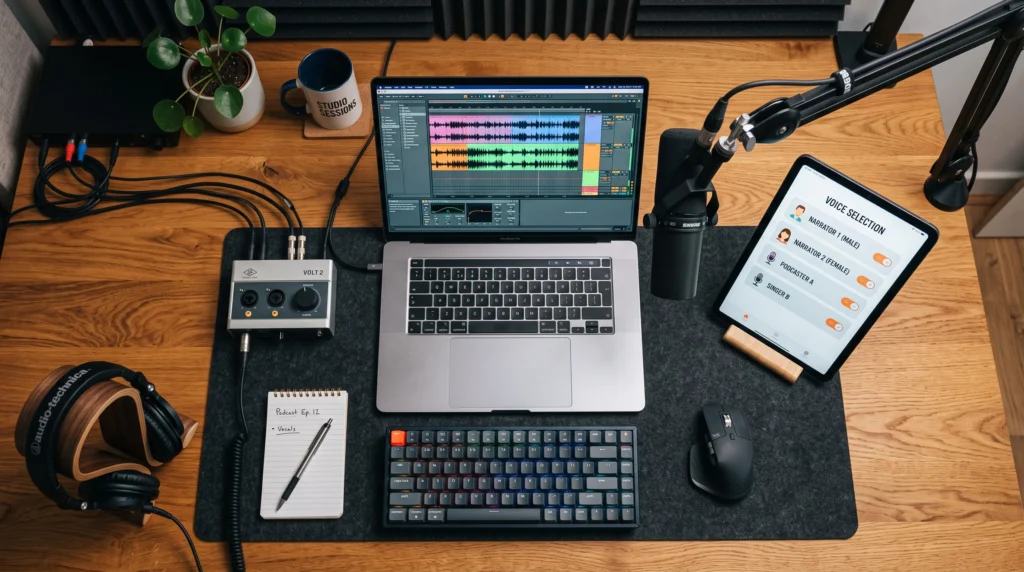
A good audiobook voice tool needs three things that shorter-form tools don’t always prioritize: long-form consistency across hours of audio, natural pacing on complex sentences, and the ability to handle dialogue tags and punctuation-driven pauses convincingly.
Three tools consistently come up among people actually producing full-length audiobooks:
ElevenLabs is widely used for long-form narration because of its voice cloning quality and support for extended text uploads. Its emotional range and pronunciation handling tend to hold up well across a full chapter, not just a short sample.
Murf.ai leans more toward a broader voice library and is popular with people producing shorter audio content, but it’s also used by freelancers building narration services because of its editing interface and pacing controls.
Speechify has expanded from its accessibility roots into audiobook-style narration, with voice options aimed specifically at long-form listening comfort.
Rather than committing to one tool, it’s worth generating a sample chapter in two or three of these, listening on headphones the way a real audiobook listener would, and checking for robotic cadence on longer sentences before you commit a whole manuscript to one voice engine.
Two Business Models: Narrating Your Own Books vs Offering It as a Paid Service
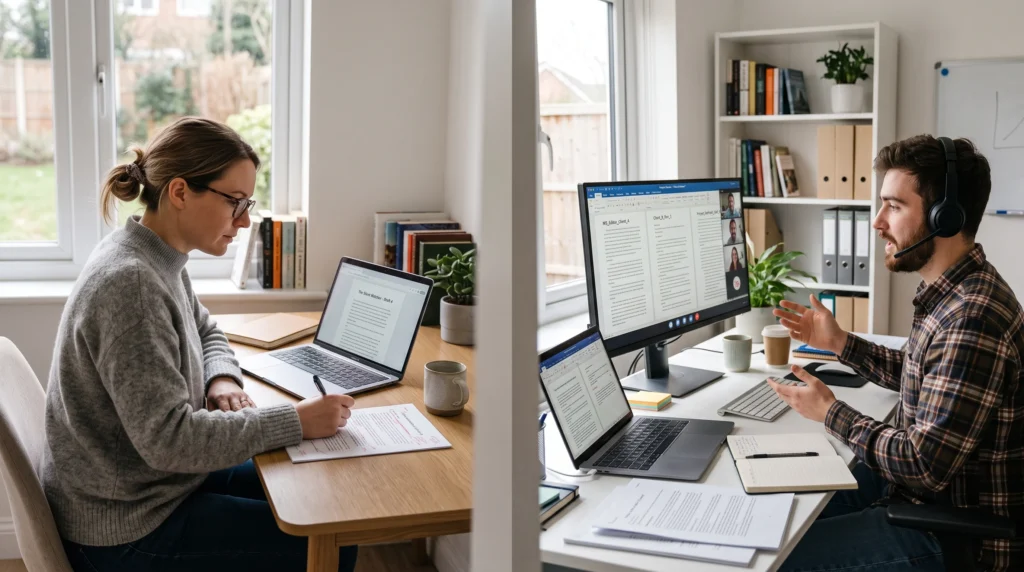
These are genuinely different businesses, even though they share the same toolset.
Model 1: Narrating your own titles
If you already write and self-publish, AI narration lets you add an audiobook edition without the traditional cost of hiring a professional narrator, which historically ran into hundreds of dollars per finished hour. Your income here comes from audiobook royalties on top of your existing ebook and print sales, not from a separate client relationship.
Model 2: Offering AI narration as a paid service
This is where the freelance opportunity sits. Independent authors publish constantly, and many of them have no interest in learning voice cloning software themselves. A service provider who can take a manuscript, produce a compliant, well-edited AI audiobook, and hand back distribution-ready files fills a real gap. This model tends to pay per project rather than per stream, which means more predictable income for someone starting out.
Most people serious about this niche eventually do both: they narrate their own backlist for ongoing royalties, and they take on client work for immediate cash flow.
Step-by-Step: Turn a Manuscript Into a Distributed AI Audiobook
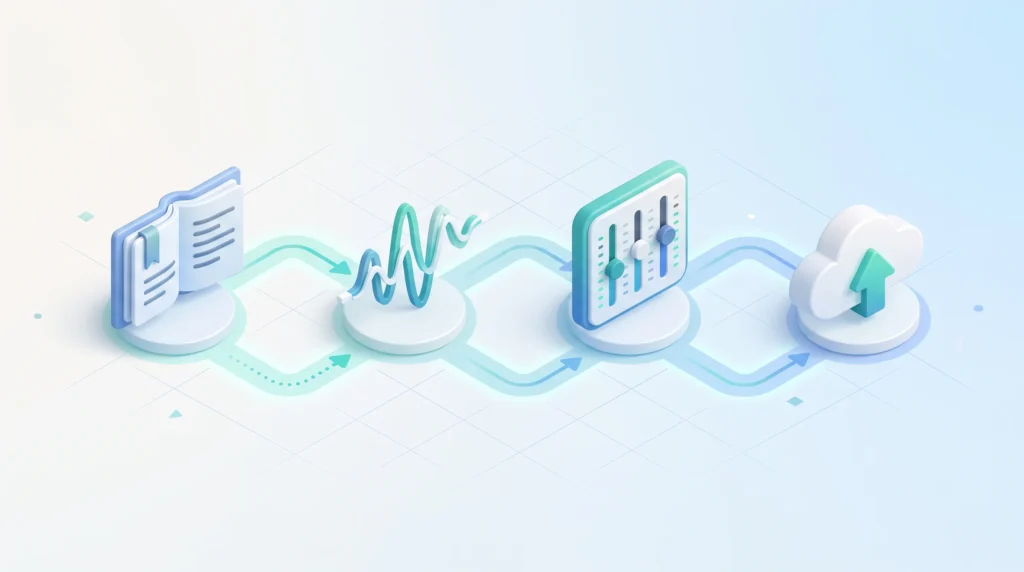
Here’s a concise answer first: the process runs from manuscript preparation through voice generation, editing, quality review, and platform submission, typically taking a few days per book depending on length.
- Prepare the manuscript. Clean formatting matters more than people expect. Strip out footnotes, fix inconsistent punctuation, and flag pronunciation-sensitive words like character names, places, or technical terms.
- Choose and test the voice. Generate a sample of a challenging passage, not just an easy one, before committing to a voice for the full book.
- Generate the narration in sections. Most tools handle long documents better when broken into chapters rather than one massive file, which also makes error-checking easier.
- Edit for pacing and errors. Listen against the original text. AI narration can mispronounce names, misread numbers, or add odd pauses around punctuation; these need manual correction.
- Master the audio. Normalize volume, remove any artifacts, and confirm the file meets your target platform’s technical delivery specs.
- Add required disclosures. Label the file and listing as AI-narrated according to the platform’s current policy.
- Submit for distribution. Upload through ACX for Audible, or through a wide distributor like Findaway Voices if you want broader reach across multiple retailers at once.
Where to Distribute and Sell (Findaway Voices, Google Play Books, Kobo, Direct Sales)
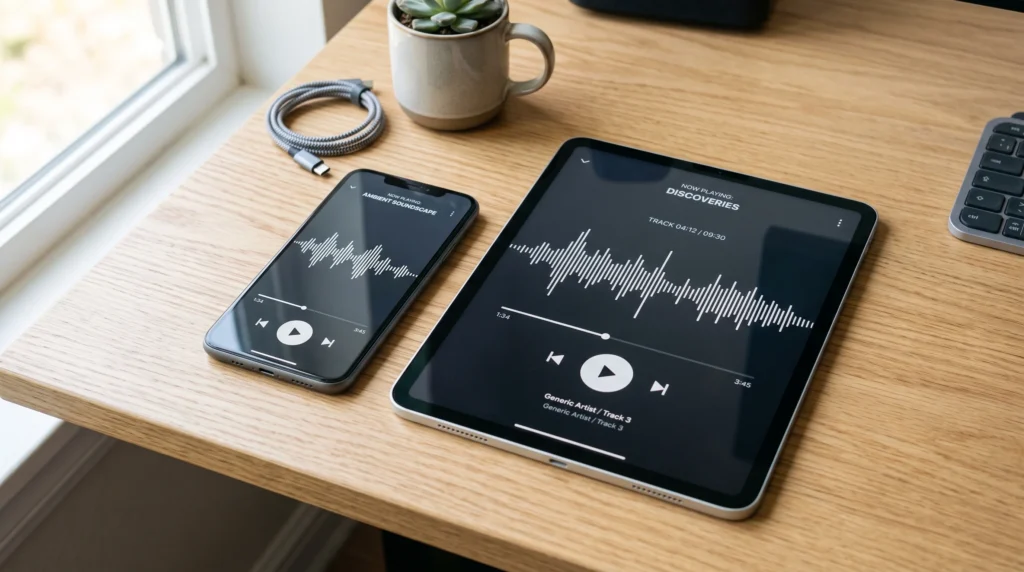
ACX remains the dominant path into Audible specifically, but it isn’t your only option. Findaway Voices offers wide distribution to Google Play Books, Kobo, library platforms, and other retailers from a single upload, which is useful if you don’t want exclusivity tied to one storefront.
Direct sales are also worth considering, especially for service providers. Some authors prefer receiving finished audio files they can sell directly from their own website or bundle with other products, skipping platform revenue splits entirely.
A comparison makes the trade-offs clearer:
| Channel | Reach | Exclusivity | Best For |
|---|---|---|---|
| ACX (Audible exclusive) | Audible’s large listener base | Requires exclusivity for higher royalty tier | Authors prioritizing Audible sales |
| ACX (non-exclusive) | Audible, lower royalty share | No exclusivity | Authors wanting flexibility |
| Findaway Voices | Multiple retailers and libraries | Non-exclusive | Wide distribution without lock-in |
| Direct sales | Your own audience only | Full control | Service providers, bundled offers |
Pricing an AI Audiobook Production Service for Authors

Pricing in this niche typically follows one of two structures: a flat project rate based on manuscript length, or a per-finished-hour rate similar to how traditional narrators are priced, just at a lower cost point that reflects the reduced production time.
When setting rates, factor in the actual work involved, not just the AI generation step. Editing, pronunciation correction, mastering, and platform submission all take real time, and pricing too low to compete with unedited “instant” AI audiobook mills tends to attract clients who expect corner-cutting.
A useful checklist before quoting a project:
- Manuscript length and complexity (technical terms, multiple characters, foreign words)
- Number of revision rounds included
- Whether distribution submission is part of the service or a separate add-on
- Turnaround time expectations
- Whether the client wants a specific voice style or is open to your recommendation
Disclosure and Ethics: What Listeners and Platforms Expect
Transparency isn’t just a policy checkbox; it’s what protects your long-term reputation in this space. Listeners increasingly notice AI narration, and platforms are actively cracking down on undisclosed use as detection improves.
Never present AI narration as human-recorded. Never clone a voice, whether a public figure’s or another narrator’s, without explicit, documented permission. If you’re offering this as a service, put disclosure requirements in writing with your clients so there’s no ambiguity about who is responsible for labeling the final product correctly.
Common Mistakes That Get AI Audiobooks Rejected or Delisted
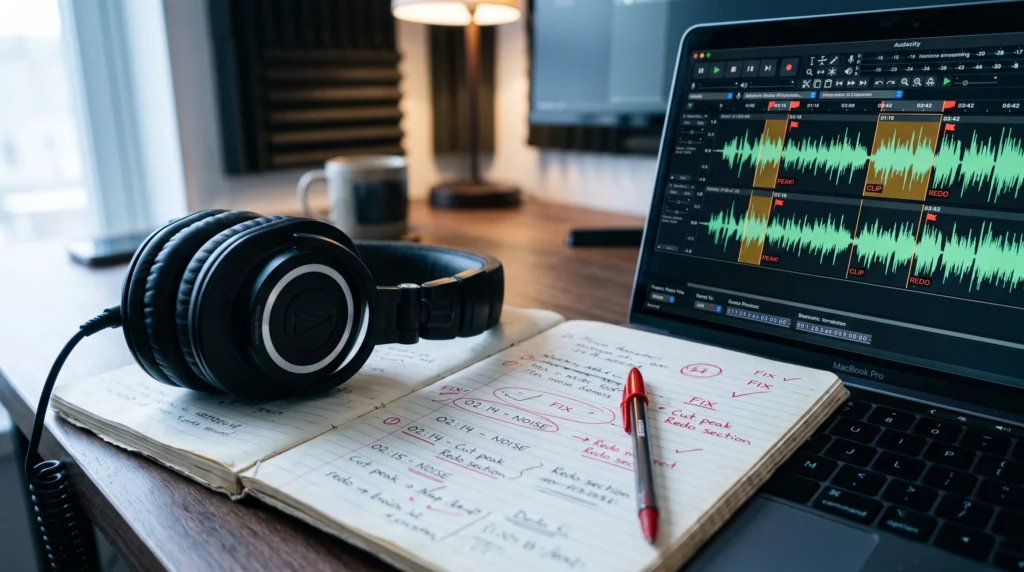
The most frequent rejection reasons are avoidable with basic quality control:
- Skipping the disclosure requirement entirely
- Submitting audio with inconsistent volume levels or background artifacts
- Leaving obvious mispronunciations uncorrected, especially of proper nouns
- Using a voice without confirming commercial usage rights
- Ignoring platform-specific technical specs like sample rate or file format
- Rushing a full-length book without listening to the complete file before submission
Treating the editing and review stage as optional is the single biggest reason AI-narrated titles get flagged or pulled from a platform.
If this niche appeals to you but feels narrower than you’d like to start with, it pairs well with the broader ideas covered in Best AI Side Hustles You Can Start With No Money in 2026, since many of the tools and client-acquisition strategies overlap.
Conclusion
AI audiobook narration in 2026 sits at an unusually clear moment: the technology is genuinely capable of producing listener-ready audio, and the platforms that matter most have finally published rules instead of leaving creators guessing. Whether you’re narrating your own backlist or building a service for other authors, the opportunity is real, but it rewards people who treat disclosure, quality control, and rights management as seriously as the voice generation itself. Start with one manuscript, test your workflow end to end, and build from there.
FAQs
Q. Does Audible allow AI-narrated audiobooks in 2026?
Yes. Amazon has established a sanctioned pathway for AI narration on ACX and Audible, provided the audiobook is clearly disclosed as AI-narrated and meets standard technical delivery requirements.
Q. How much can I charge to produce an AI-narrated audiobook for an author?
Rates vary by manuscript length and service scope, but pricing typically follows either a flat project fee or a per-finished-hour rate that reflects editing, mastering, and submission work, not just voice generation.
Q. Which AI voice tool is best for long-form audiobook narration?
ElevenLabs, Murf.ai, and Speechify are commonly used for audiobook-length narration, each with different strengths in voice cloning quality, pacing control, and voice library size. Testing a sample chapter in each before committing is the safest approach.
Q. Do I need to disclose AI narration to listeners?
Yes. Major platforms including ACX and Findaway Voices require disclosure when narration is AI-generated, and undisclosed use risks removal from the platform.
Q. Can I use my own cloned voice to narrate audiobooks for income?
Yes, provided you have clear rights to your own voice clone and comply with the platform’s disclosure and technical requirements. Never clone another person’s voice without explicit permission.
Q. Is AI audiobook narration cheaper than hiring a human narrator?
Generally, yes, since it removes studio time and per-finished-hour narrator fees, but budget for editing, proofreading, and mastering time, which are still required for a listener-ready result.
Q. Can I sell AI-narrated audiobooks outside of Audible?
Yes. Findaway Voices distributes to retailers like Google Play Books and Kobo, and you can also sell finished audio files directly from your own website.
Q. What’s the biggest mistake beginners make with AI audiobook narration?
Skipping a full manual review of the finished audio. Mispronunciations, inconsistent volume, and unlabeled AI use are the most common reasons submissions get rejected.
Q. How long does it take to produce a full-length AI-narrated audiobook?
It depends on manuscript length and how much editing is needed, but a typical full-length book can be generated, edited, and prepared for submission within a few days when using an efficient chapter-by-chapter workflow.
Q. Is this a good side hustle for someone with no audio editing experience?
It’s approachable for beginners since AI tools handle the core narration, but basic editing skills for pacing, volume, and error correction are necessary for a professional result, and they’re learnable through practice on a single project.